Violin & Cello
How To Fix a Fallen Sound Post on Violin | How To Fix a Fallen Sound Post on Violin |
|
It’s a catch 22 when shipping because if you leave the bridge on with
the string tension, the violin could be damaged. If you loosen the
strings and take the bridge off the sound post could come loose. The most common thing that happens is the violin takes a knock during
shipping and the sound post falls out and starts rattling inside the
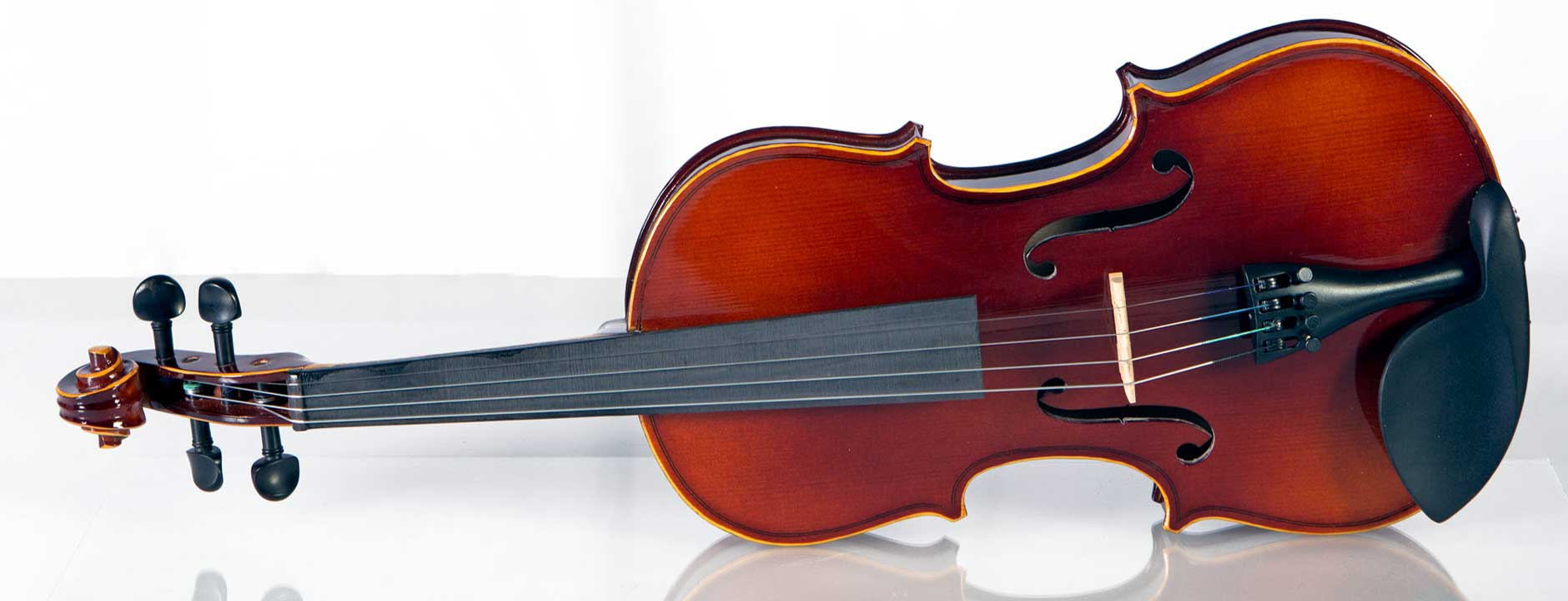
violin. sonce the sound post is never glued, a slight knock will make the sound post fall if there is no string tension on the bridge. To set a soundpost in a cello, viola or violin, a professional luthier shouldn't charge you more than $25. It is not the kind of thing that a beginner should try, but it does not take a long time at all for an experienced tech. without experience it could take you hours and a lot of curse words. it's probably like building a ship in a bottle. so if you like that sort of thing, here are some tips.
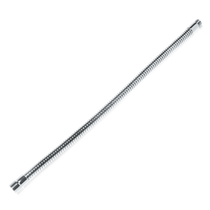
first of all, you will need is a sound post setter . it is a specialized tool for setting a sound post on a violin. some people make their own gadgets or tinker with wire and forks, etc. but a sound post setter is the proper tool for the job. We have a sound post seter that you can purchase online . But what do you do if you don't want to buy one? make your own sound post setter of course! get a wire hanger and unwind it. fole one end to a sharp blade-like point. bend the wire into a less-than-S-shape. the whole thing shouldn't be more than 16" long so cut of any excess. on the dull end of the wire, bend it into a tight curve with some pliers. about the diameter of the sound post. (this will be for moving the sound post once it is almost in place). stick the sound post on the sharp end of the sound post setter about 3/4 of the way up the sound post. the wood grain of the sound post should match the direction of grain of the violin top, so make sure you take this into account whan sticking it on the end of the tool. make sure the bridge is on the instrument and the strings are a little bit loose, but not too much. insert the sound post carefully into the treble-side F hole. make sure it is laying down until you get it to the center of the body where the cavity is higher. then upright it directly under the bridge and start to move it towards the treble side until it will stand on its own with just the pressure of the top and back. don't wedge it in to far. one it is able to stand up on it's own, remove the tool and turn it around to adjust the position. It should be snug but not jammed in too tight. it should also be perfectly vertical. the position of the soundpost is the most crucial component to the potential sound quality of your violin. you can spen hours and hours, literally, experimenting with the best position. to start with, put the sound post directly under the treble foot of the bridge and about a quarter of an inch back towards the tailpiece. that is where they seem to be on most factory-set violins. then you can experiment from there. this job is not for the feignt of heart, but if you are adventourous, bored, or inquisitive then you might just want to give it a try. knowing how to do it yourself may save you on a gig when you need to do it yourself in a pinch because there is nobody to take it to. you can also make your violn sound better (or worse) if you experiment with the position. but if you don't need to do it yourself, you should probably just pay a professional to do it for you. email us if you want a reference for a qualified luthier in your area who will do it for less than $30.
|